About Sitewright
A wright makes things that get used.
Wheelwrights made wheels, shipwrights made ships. We make websites for churches, schools and community organizations that need a good one and have no one on staff to build it.
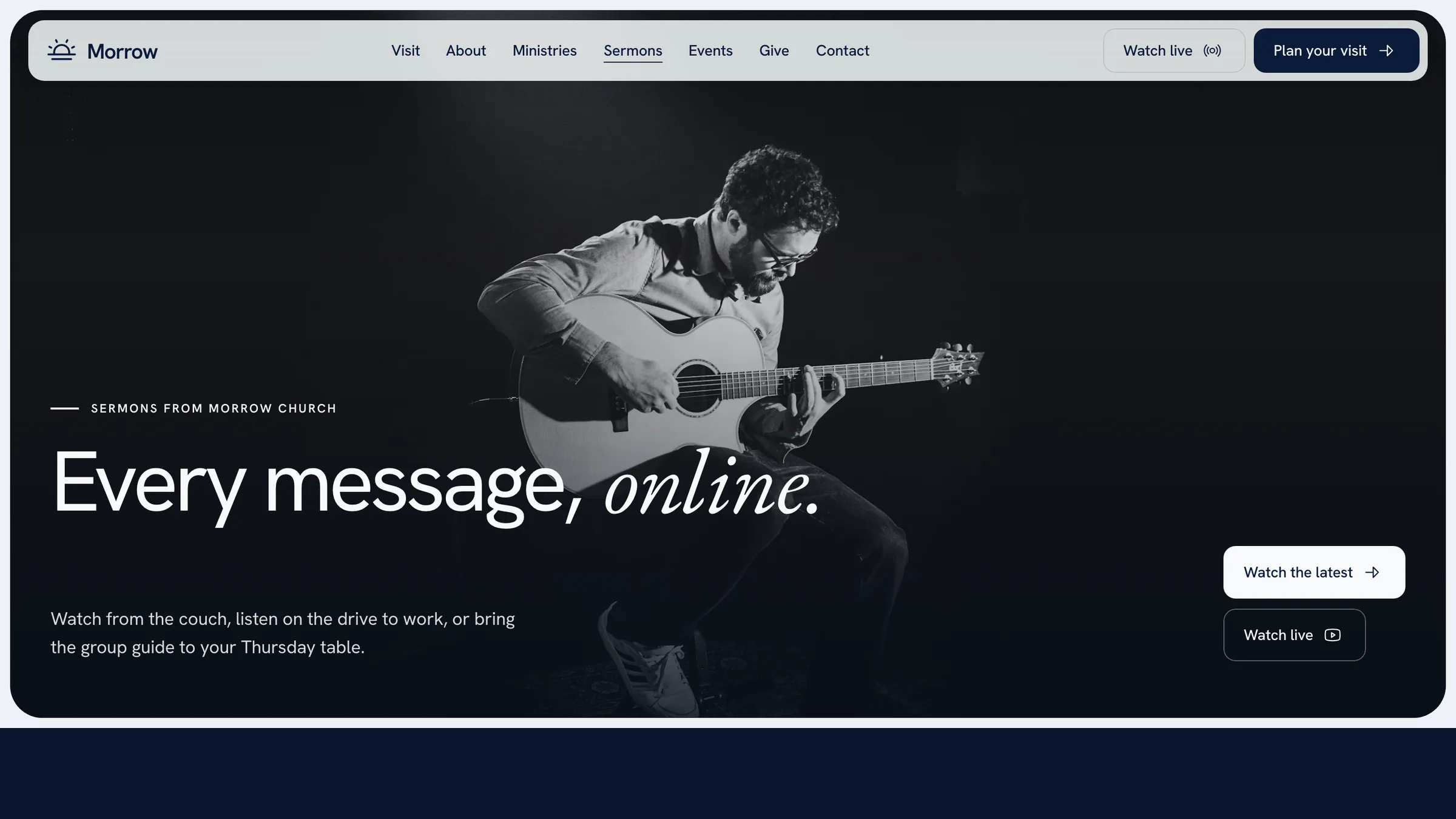
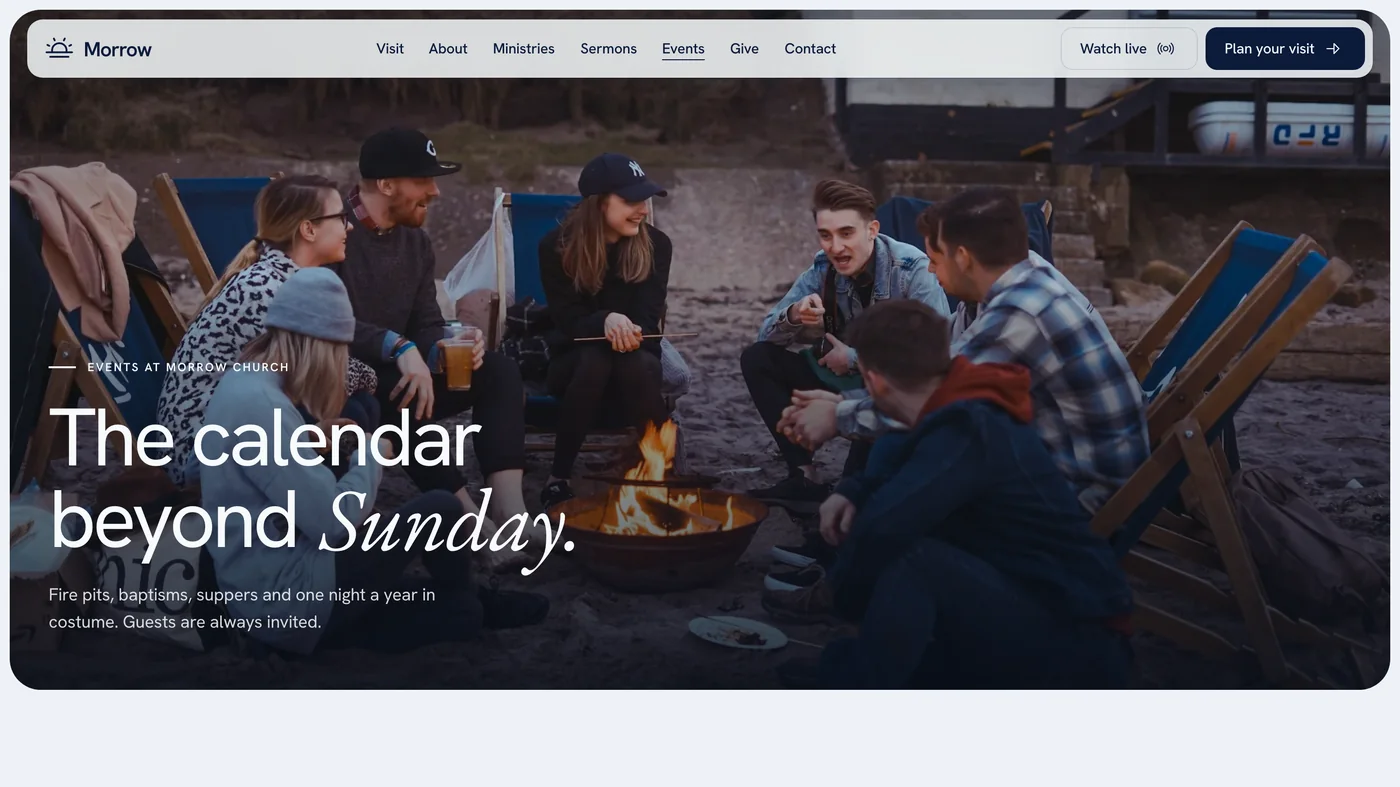
How we work
Four rules every template follows
They decide what goes into a template and, just as often, what stays out.
One kind of organization per template
A church and a preschool need different pages, different words and a different first screen. We pick one and build for it properly.
Real words in every demo
Each demo comes with believable copy for a believable organization. It shows you what to say, and it makes the design look finished from the start.
Cheap to keep running
We design within the limits of Framer’s smaller plans wherever we can, because the monthly bill matters more to a small organization than one more animation.
Yours outright
The project sits in your Framer account. No license key, no lock-in, nobody to ask permission from when you want to change it.
How a template is made
From questions to a finished site
Every template goes through the same four stages before it reaches the Framer Marketplace.
Stage 1
Study the niche
We read what organizations in the niche publish, what their visitors ask and what other templates already offer, so ours adds something.
Stage 2
Write the demo
A fictional but believable organization with its own name, address and voice. The copy comes before the layout.
Stage 3
Design and build
First as a prototype, then natively in Framer with styles, components and CMS collections a non-designer can edit.
Stage 4
Test and publish
Checked on phones, tablets and desktops, with titles, social images and structured data in place before it goes live.
Experience
15 years of UI and web design behind every template
The studio grew out of a decade and a half of designing interfaces and websites for clients. Sitewright takes that experience to the organizations that could never hire a design agency.